Kareena Agarwal
Reimagining neurodivergence as a superpower.
A neurodivergent artist and researcher working where music, neuroscience, and mental health meet — writing songs, studying the brain, and teaching students that the way their minds work is a strength.
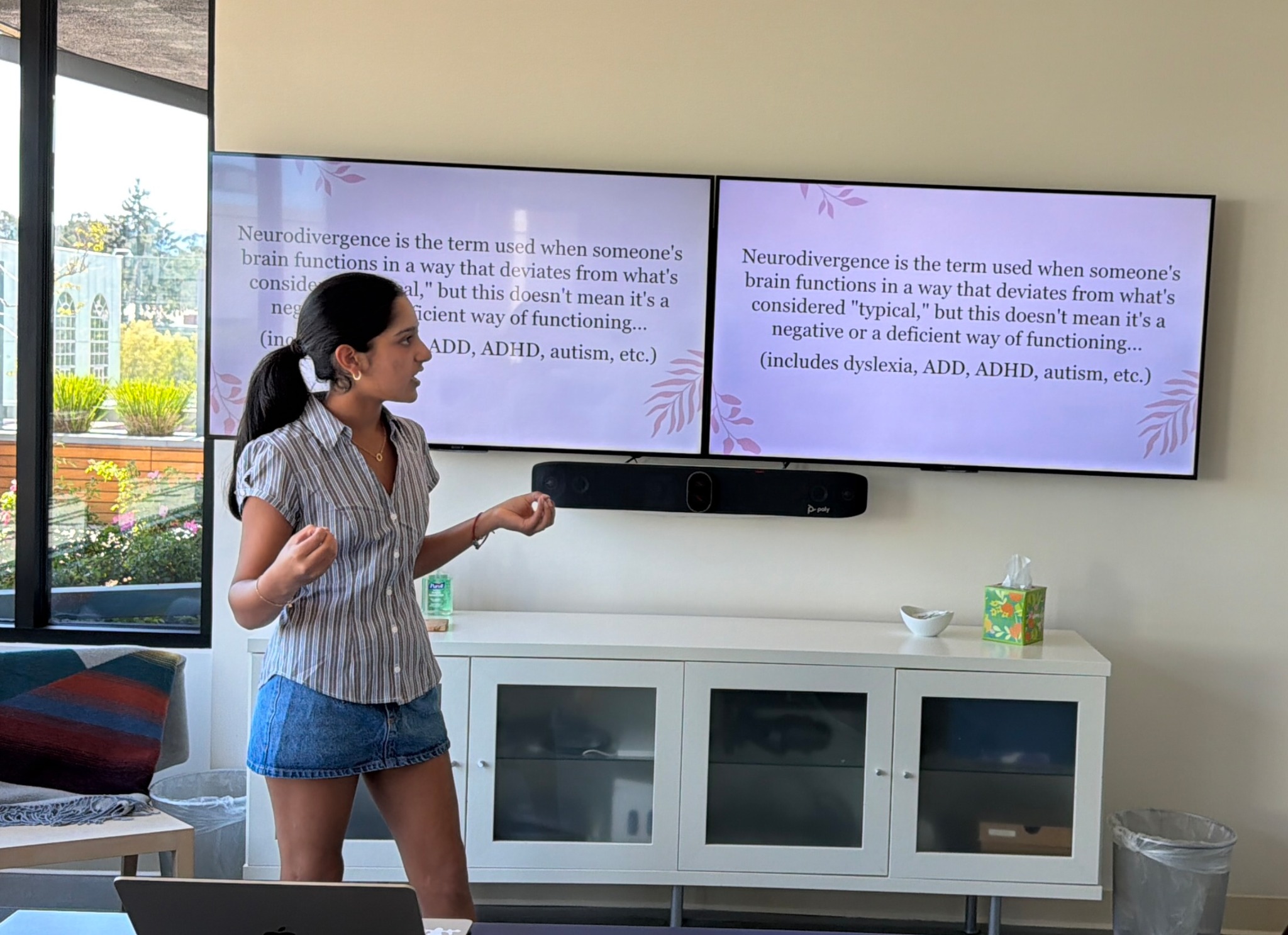
Curious by nature
I've spent most of high school chasing one question: what if the things that make a brain different are exactly what make it powerful?
As a neurodivergent student, I know how it feels to be treated as a problem to be fixed instead of a person to be understood. That experience became the reason I build — curricula, songs, research, a graphic novel — all pointed at the same idea: that emotional awareness and self-advocacy can be taught, and that they genuinely change how young people see themselves.
Music is where it started. As a singer-songwriter, I learned that the strongest work refuses to stop at the surface. I bring that same instinct to the research lab and to every classroom I walk into — because when a conversation about mental health comes from a peer who has lived it, something shifts.
— Kareena
Three threads, one throughline
Advocacy, music, and neuroscience are different rooms in the same house — each one asking how we help young minds feel understood.
Peer education & advocacy
I designed and taught a peer-to-peer mental health and neurodiversity curriculum across eight Bay Area schools — helping students reduce stigma, build emotional awareness, and learn to advocate for themselves with confidence.
Music & songwriting
My original songs — Photographs, New Year New Me, and Lie to Me — come straight from lived experience. Songwriting is how I first learned that vulnerability, made public, can help other people feel less alone.
Neuroscience research
From a Stanford research lab to a pediatric pilot study, I explore how sound shapes mood and the brain — turning a personal fascination with music and emotion into rigorous, published work.
Two curricula and a book
I've built two distinct peer-led programs — one on neurodiversity, one on mental health — plus an illustrated book. Each meets students where they are and hands them tools they keep.
Power in Our Minds: Owning Your Learning Style
A peer-to-peer series for middle and early high school students that explains neurodivergence, breaks stigma, and builds tools for advocacy, resilience, and self-worth — grounded in real statistics and honest storytelling.
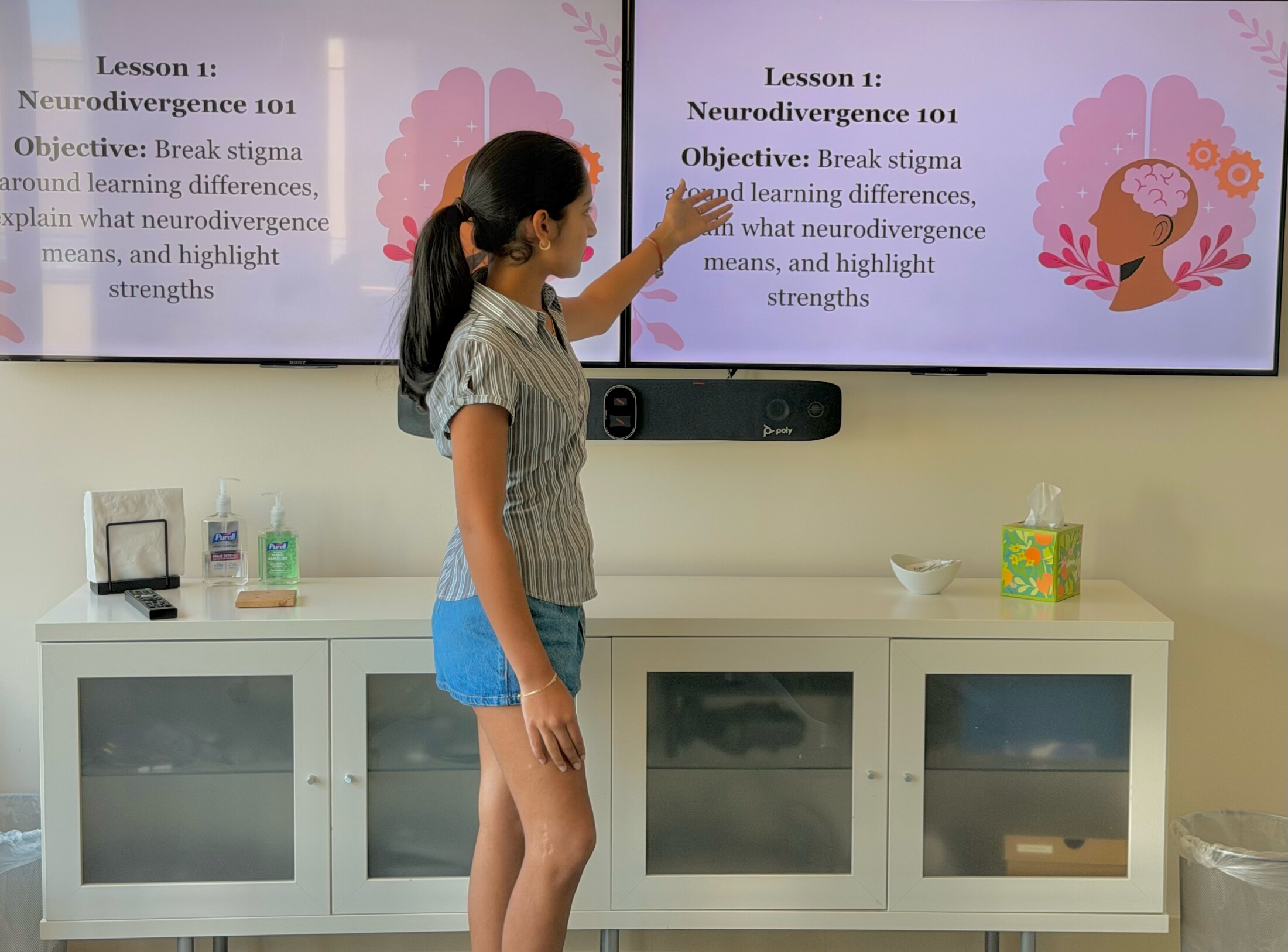
Neurodivergence 101
Break the stigma. What neurodivergence really means, the "superpowers" reframe, and famous neurodivergent minds from Einstein to Steve Jobs. Students share one unique way their own brain works.
Self-advocacy & accommodations
Accommodations as equalizers, not advantages. How to email a teacher, navigate test-taking logistics, and build a personal "accommodation menu" of what helps you do your best.
Thriving with learning differences
Emotional resilience and self-compassion. Practical coping tools like box breathing — in 4, hold 4, out 4 — and "chunk it," plus reflective activities like "In my brain, it feels like…".
Parents & teachers night
Building empathy in the adults around the student — myth-busting on accommodations, and learning to advocate with students, not for them.
"Neurodivergent minds were never meant to fit a mold — they were meant to break it."
Strengths, gratitude & everyday coping
A peer-led mental health series taught in classrooms and camps, built on positive psychology — sometimes co-led with a school psychologist to pair peer voice with professional grounding on real stress tools.
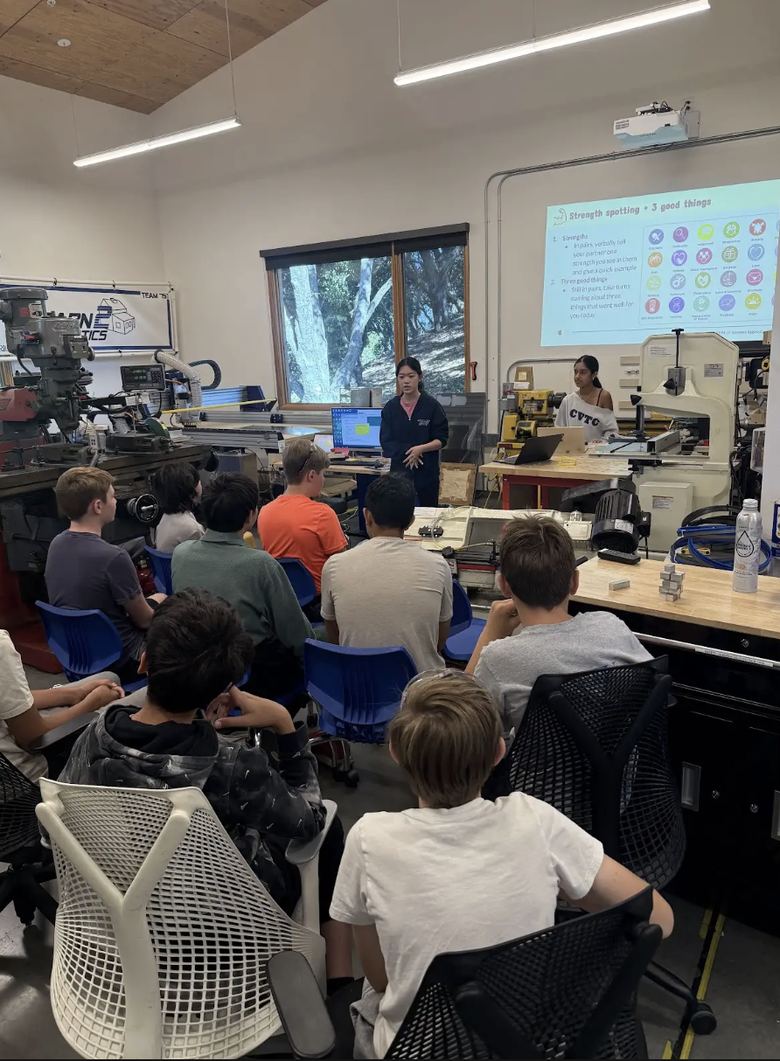
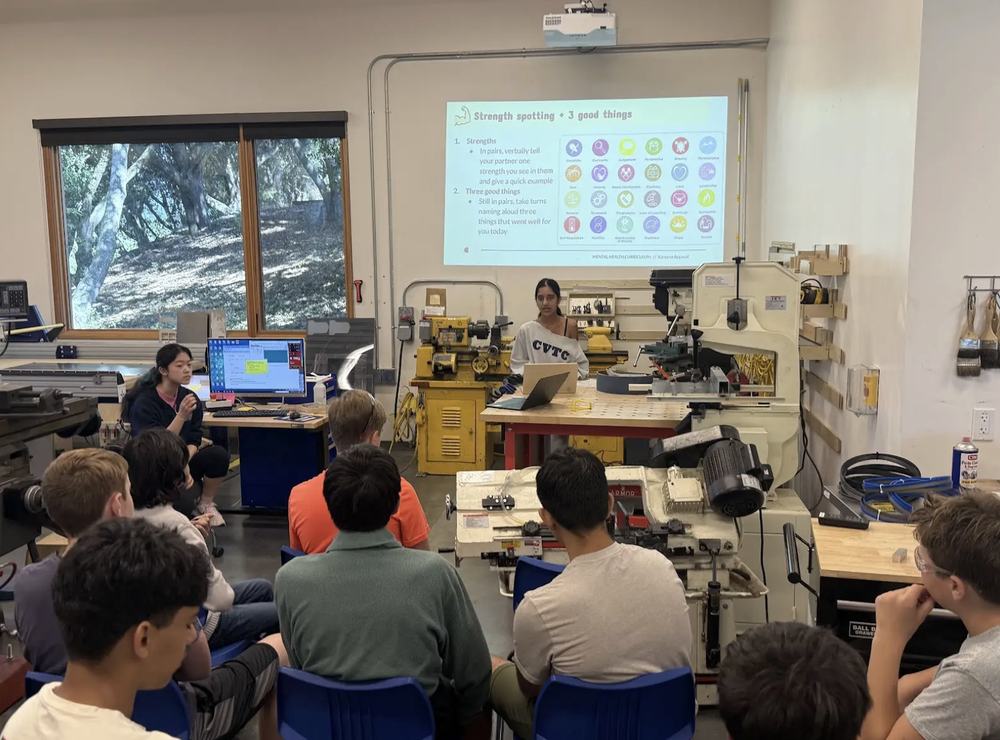
Strength spotting + 3 good things
A five-minute exercise that turns a lesson on the brain into a moment of real connection.
The strengths we map
Students use a wheel of character strengths to find the language for what they're already good at — in themselves and in each other.
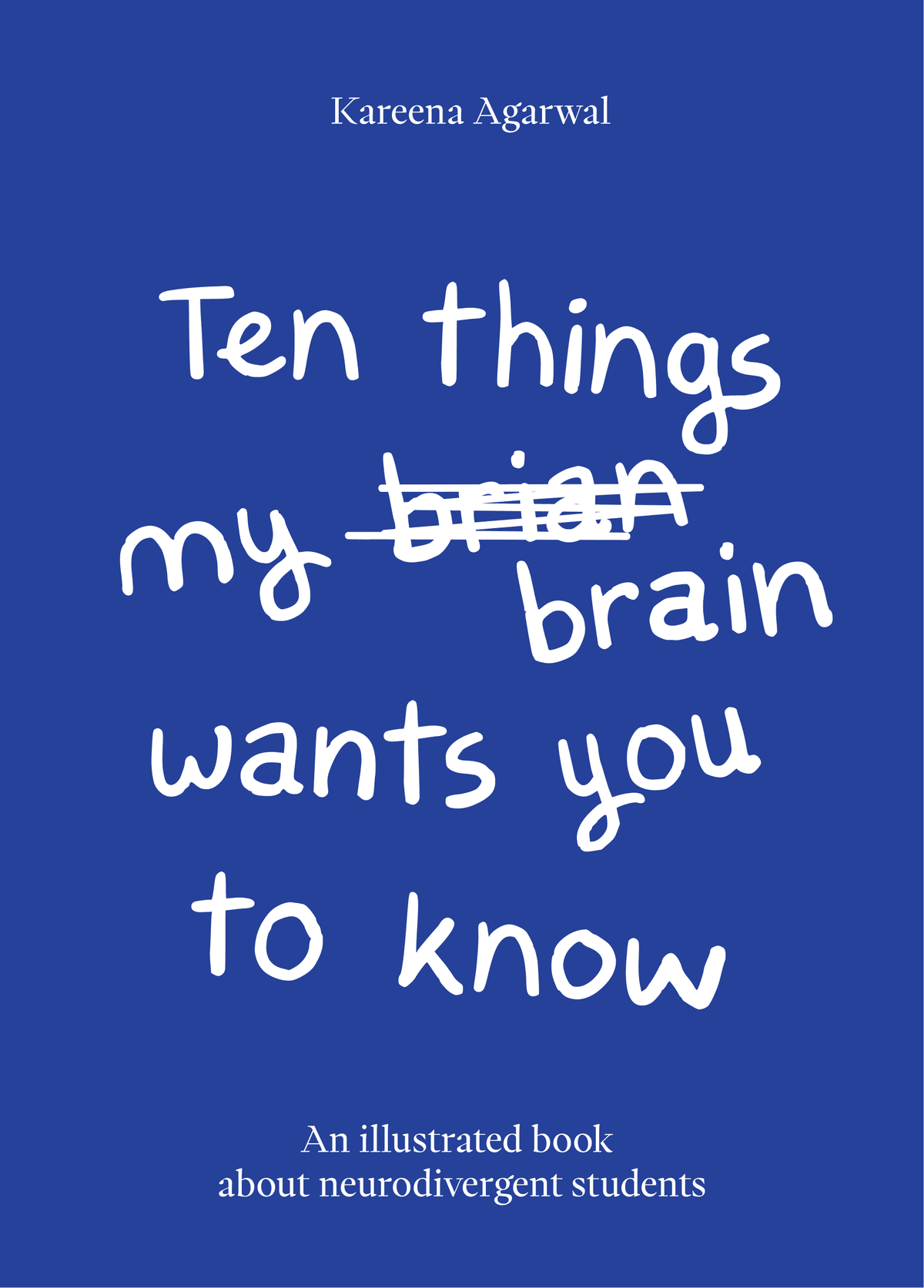
Ten Things My Brain Wants You to Know
An illustrated book on neurodivergence among students — written by me and developed with illustrator Sandra Nicolas, with a foreword by neurologist Dr. Sarah Cheyette. It draws on my own experience as a student with dyslexia and ADHD.
Read the book →The book is built around ten things. Here's a peek at each:
Neurodivergence is a different way of thinking, not a deficit.
Certain executive functions are genuinely harder for us.
The challenge isn't always learning — sometimes it's how learning is measured.
Sometimes my brain has too many mental tabs open.
Time can feel fundamentally different to us.
Sensory input others barely notice can be completely overwhelming.
Not trying can be a form of self-protection, not laziness.
The same brain that struggles in class often holds remarkable strengths.
Support isn't special treatment — it's equal access.
We can go from surviving to thriving.
"The world has always been shaped by minds that thought differently. The question isn't whether those minds belong in our classrooms — it's whether our classrooms are doing everything they can to set them up for a world that needs them."
Where music meets the mind
A body of work connecting sound, neuroscience, and well-being — in the lab, in journals, and on the page.
HARMONICS 2026
Kareena will present at The International Conference on Music, Medicine, & Science at UC Irvine, October 28–29, 2026.
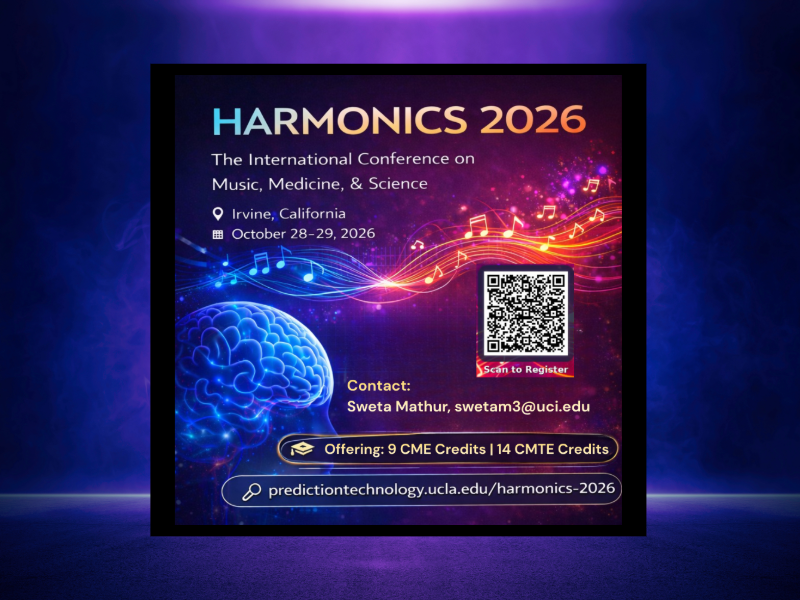 Learn about the conference →
Original songs
Written from lived experience and streaming on Spotify.
- Photographs
- New Year New Me
- Lie to Me
Stanford Music & Mental Health Lab
Research under Dr. Daniel Bowling, studying how musical frequency and brainwave entrainment influence mood and neurochemistry.
HARMONICS 2026 · UC Irvine — accepted, Track 1
A pediatric pilot study, developed with Dr. Sean Young, examining whether music can ease distress and pain for children during routine vaccination — testing music as a simple, low-cost clinical tool in real pediatric settings. Accepted for presentation at the HARMONICS 2026 conference at UC Irvine.
"From Frequency to Feeling"
A literature review on sound-based frequency therapies, brainwave entrainment, and neurochemical mood regulation, published in the Journal of Academic Inquiry.
Read the published literature review →In the room where it happens
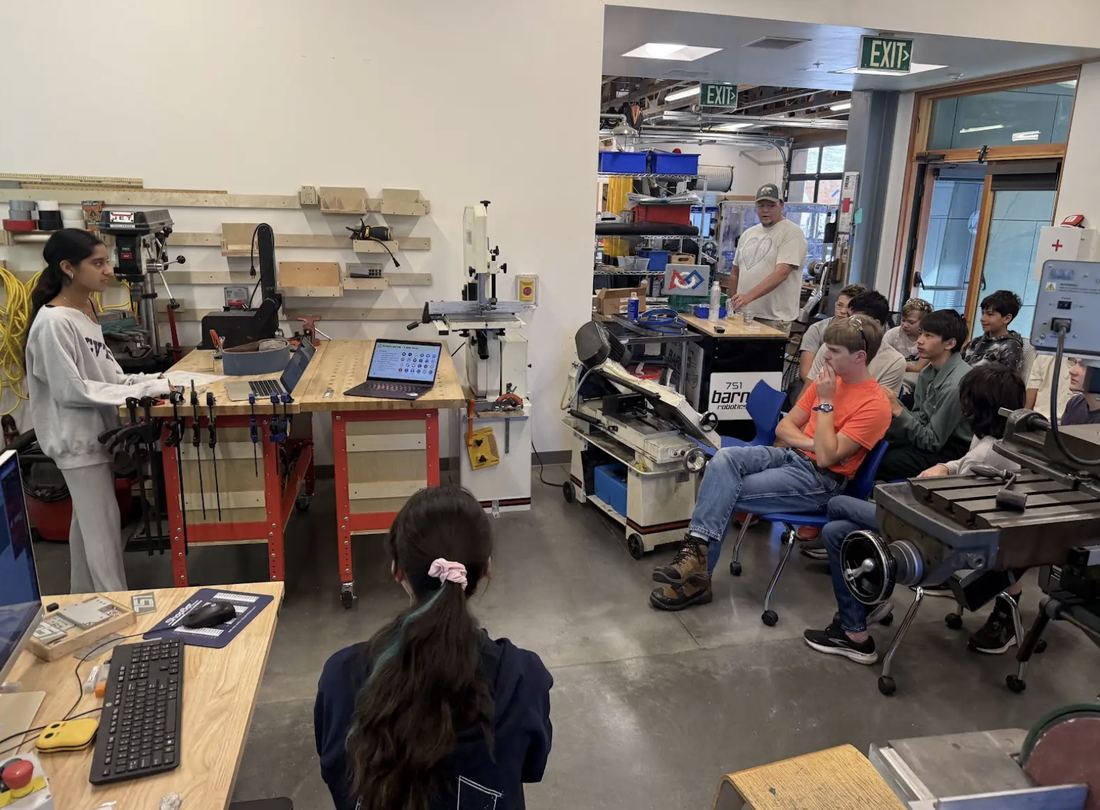
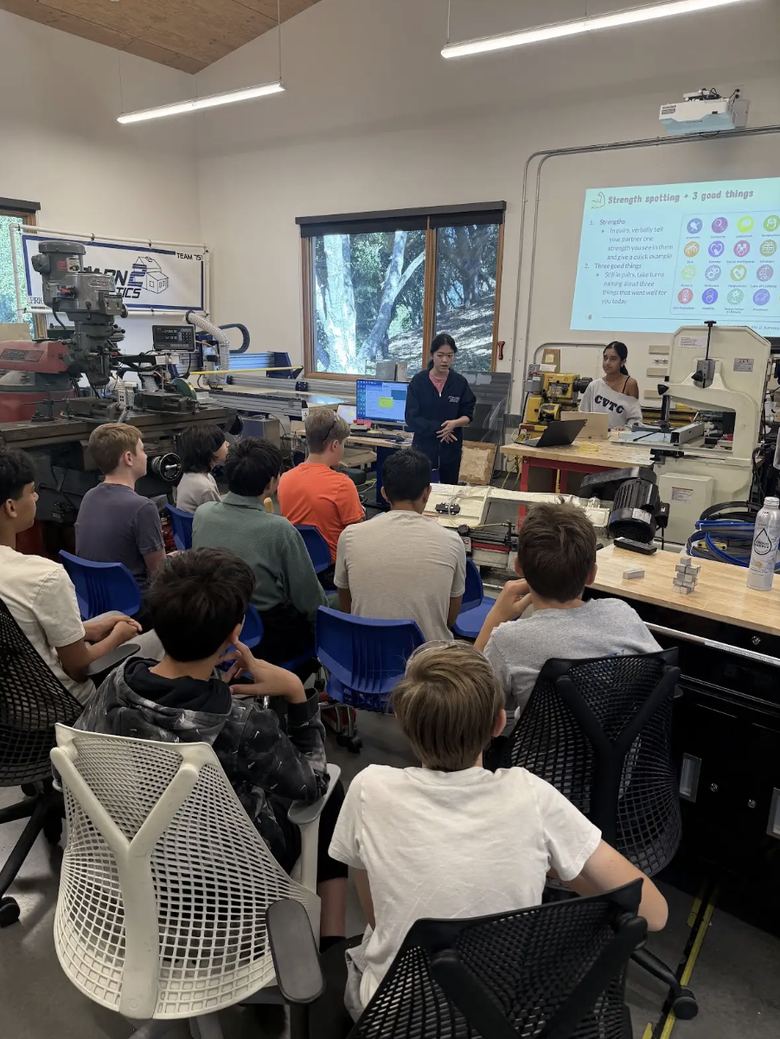
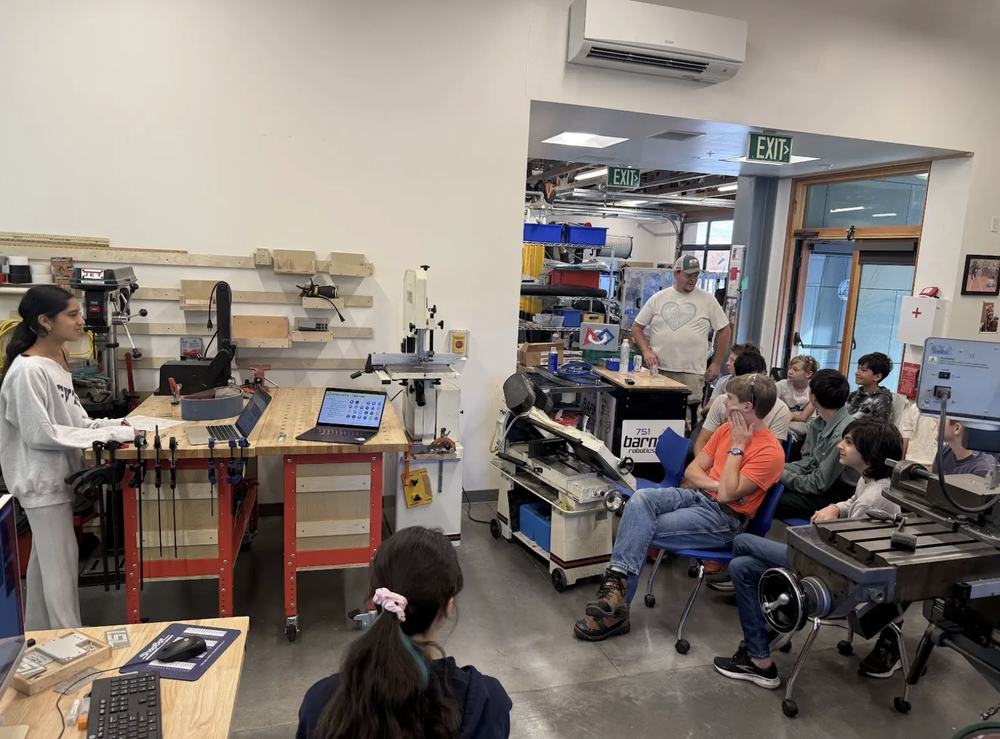
My curriculum has traveled across schools and programs throughout the Bay Area — and I'm often invited back after a single visit.
What people say
Educators, program directors, and mentors on working with Kareena.
How Kareena Agarwal Is Changing the Conversation Around Neurodiversity
September 2, 2026
Kareena is an impressive young leader with a genuine commitment to the emotional wellness of her peers. She combines empathy, creativity, and initiative in ways that make emotional wellness accessible and relevant for young people.
You offered a lovely presentation on neurodivergence to the Priory community. The students were engaged and interested — thank you for sharing from your own experiences and modeling the courage of speaking from the heart.
Our program benefited from your study, expertise, and presentation. Thank you for your service over the summer.
I am proud of you and grateful for you. You make our community stronger.
Kareena combines intellectualism and empathy — an uncommon, invaluable, and urgently needed blend. She was a unanimous selection for our inaugural Fellows cohort because of her impassioned reimagining of neurodivergence as a superpower. She is the rare student who is not only academically capable but morally grounded.
Questions, answered
Quick answers about Kareena, her work, and how to reach her.
Who is Kareena Agarwal?
Kareena Agarwal is a neurodivergent singer-songwriter, researcher, and peer educator from the Bay Area, California, whose work sits where music, neuroscience, and mental health meet. She has taught her peer-led curriculum at eight Bay Area schools and conducted research in the Stanford Music & Mental Health Lab, and she has published a literature review, From Frequency to Feeling.
More about Kareena →What is Power in Our Minds?
Power in Our Minds: Owning Your Learning Style is Kareena's peer-to-peer neurodiversity curriculum for middle and early high school students. It explains neurodivergence, breaks stigma, and builds tools for self-advocacy, resilience, and self-worth across three lessons, plus a night for parents and teachers.
See the curriculum →Where can I hear her music?
On Spotify. Kareena's original songs — Photographs, New Year New Me, and Lie to Me — are streaming on her Spotify artist page.
Listen to her songs →How can a school contact her?
Email Kareena at kareenaagarwal09@gmail.com. She collaborates with schools, labs, and organizations working on youth mental health, neurodiversity, and the science of music.
Get in touch →Let's build something that helps
I'm always open to collaborating with schools, labs, and organizations working on youth mental health, neurodiversity, and the science of music. Reach out — I'd love to connect.